Students in plasma processing
A sneak peek into the real world – part II: the student perspective
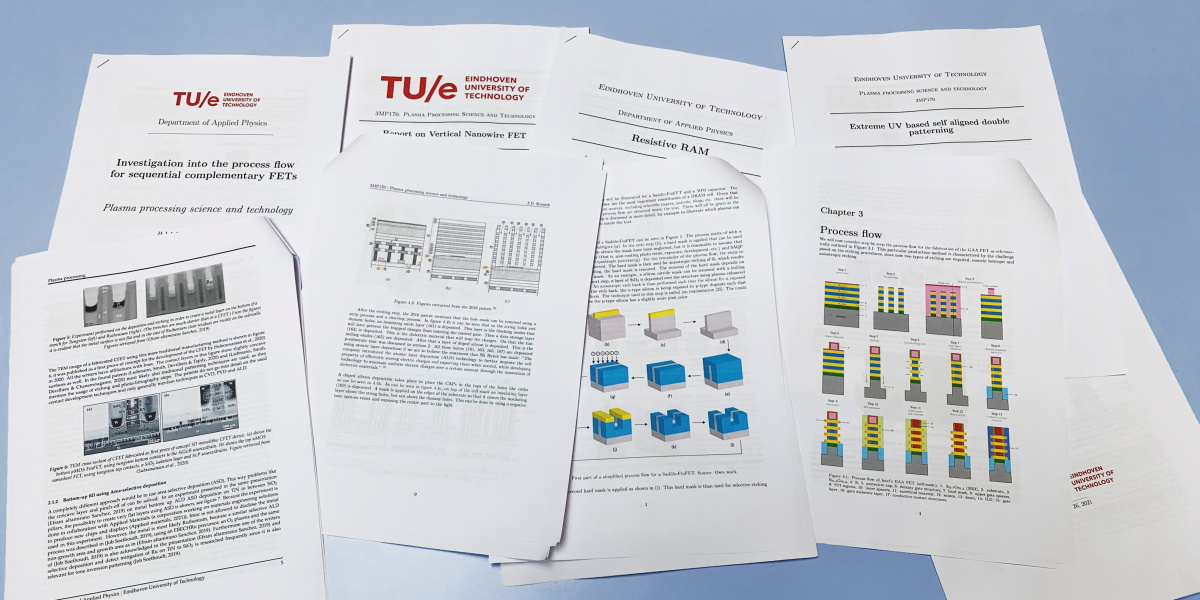
How a master course can provide insights into real-life industrial challenges In the previous blog on the master course “plasma processing science and technology” given at the Eindhoven University of Technology, a nice and concise explanation about the goal and structure of this master course has been shared. The blog described how this relatively “new … Read more
Unravelling complex nanoelectronic devices
A challenge-based learning assignment – part I: the teacher perspective

With the new academic year just started, this blogpost focuses on teaching, and describes the assignment we designed as part of a course on plasma processing. The inspiration for this assignment is that we all are accustomed to the marvels of modern smartphone communication and advanced computing technology, but most people are not aware of … Read more

Conformal deposition and gap-fill by plasma ALD – some great TEM images and recently published cover art

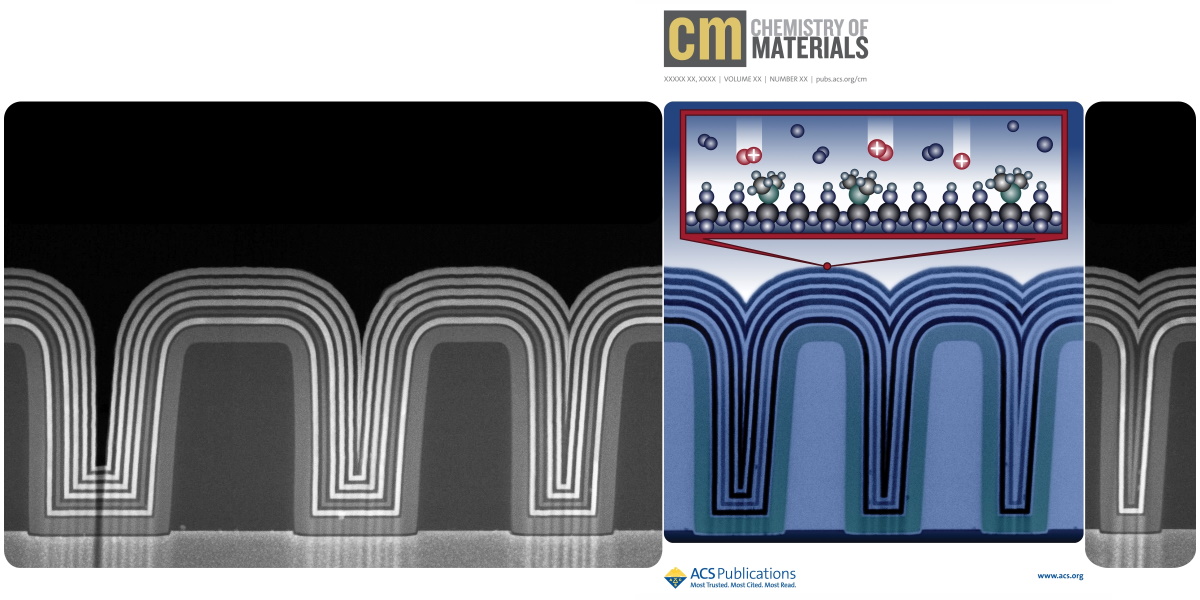
The ability of atomic layer deposition (ALD) to grow highly conformal thin films is one of the main reasons why ALD is so popular in research and heavily employed in the semiconductor industry.1,2 This not only holds for thermally-driven ALD. As explained in a previous post, also plasma-assisted ALD can penetrate very deep into high-aspect-ratio … Read more

Diving into the Fundamentals of Spatial Atomic Layer Deposition – Strengthening the S-ALD hub in Brainport region Eindhoven

On May 1st, we kicked off our new research project entitled “Spatial Atomic Layer Deposition – More Materials, More Demanding Applications” , granted by the NWO Domain Applied and Engineering Sciences. As the title suggests, the project is geared at making more materials by spatial atomic layer deposition (S-ALD) for more demanding applications, of which … Read more

A new flavor of ALE – What plasmas can bring to isotropic etching (a radical approach)

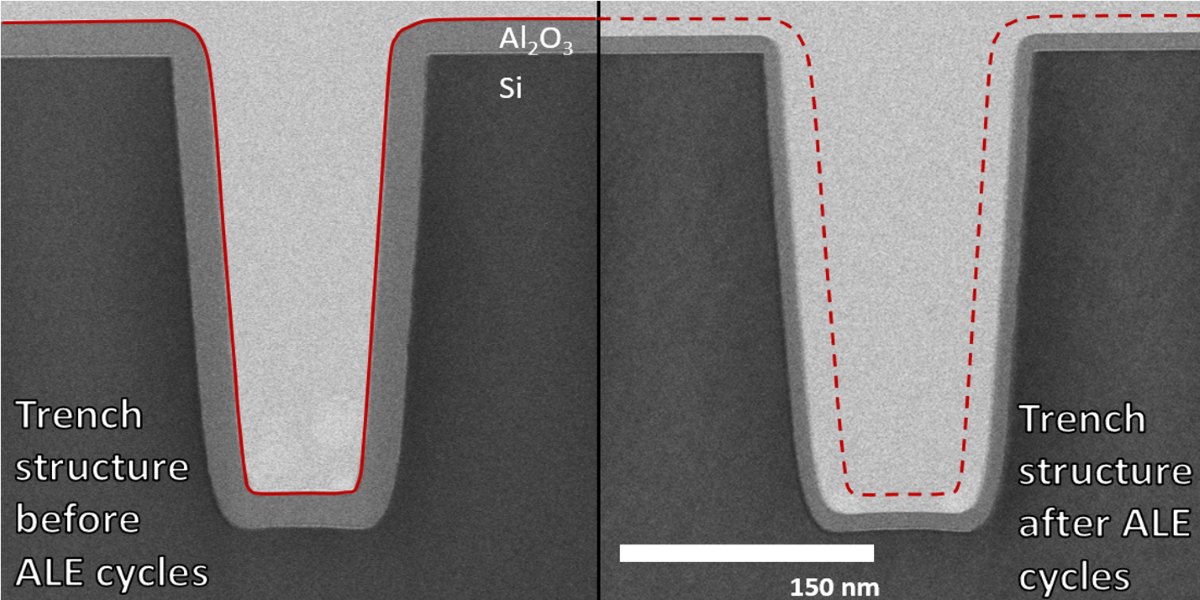
Plasmas can offer more than just etching straight down. This blog post aims to show that the etching community can benefit greatly from using plasmas for new applications. Currently, in the atomic layer etching (ALE) community plasmas are often considered only for anisotropic etching. In our recent work, which you can read or alternatively watch … Read more

What 2020 brought to the ALD/Database – Ternary materials and multi-step ALD processes are trending!

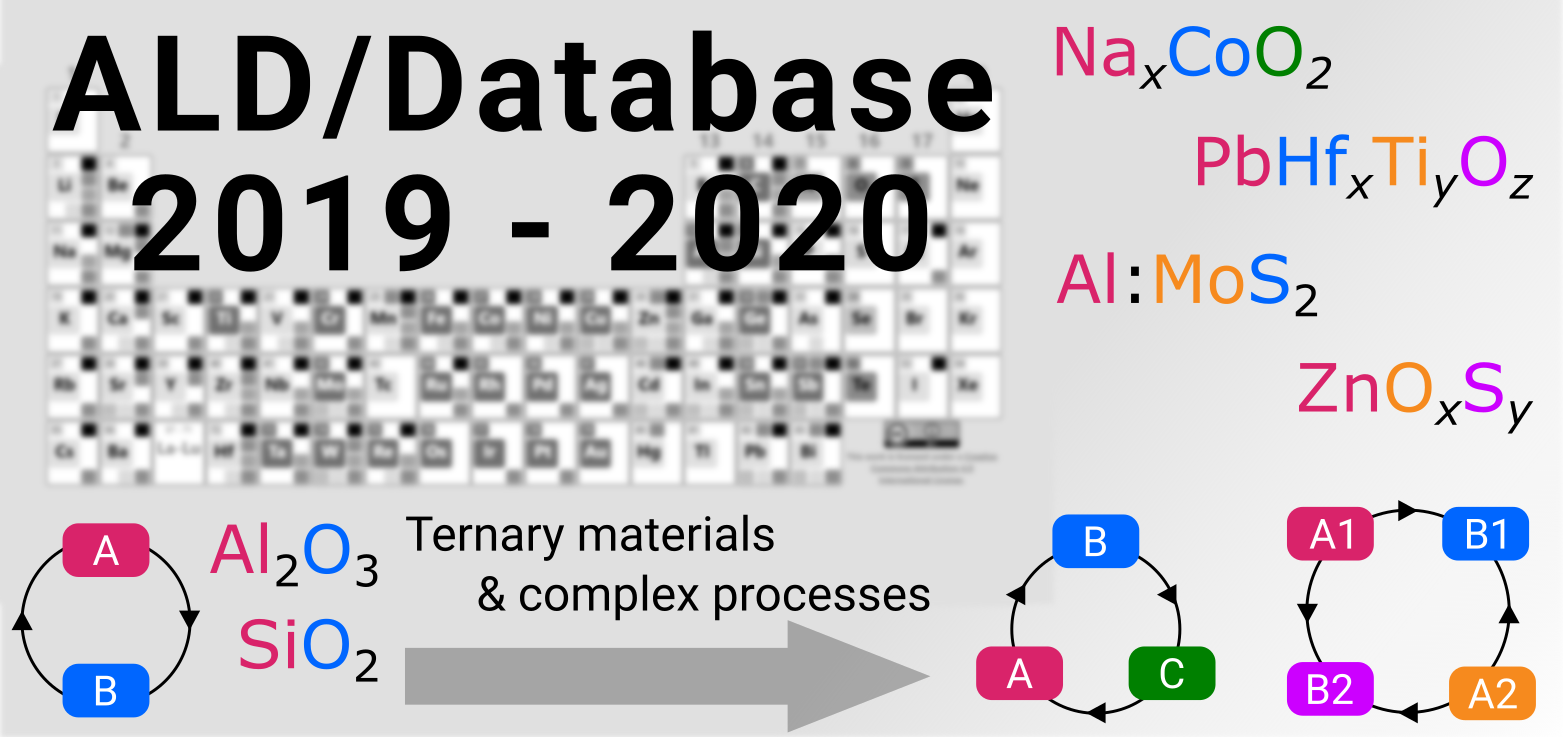
Key findings: ALD/Database continued to grow in 2020 by 323 new entries reaching 4527 entries in total. In 2020, we saw the introduction of: 123 new ALD processes, 20 new precursors, 17 new materials. Trending: most new ALD process go beyond AB-style processes, e.g. for ternary materials. Catch-up effect seen in first year (2019) subsided, … Read more

Control of the ion energy during plasma-based atomic-scale processing – animation and publication on tailored waveform biasing

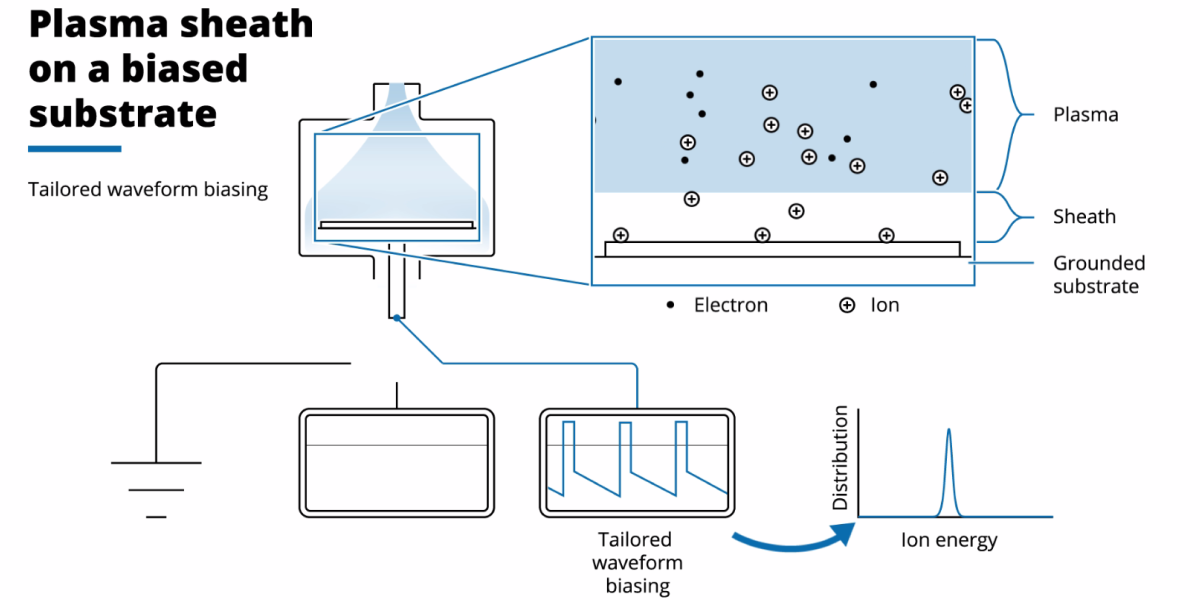
This post is about the value of industry-academia partnerships, and about how such collaborations can trigger new innovations. This month exactly 3 years ago, we were approached by Prodrive Technologies, a company in the Eindhoven area developing and manufacturing electronics and mechatronics, to talk about the possibilities for developing a power supply for the plasma … Read more

Understanding plasma ALD – Why ions matter… and should be considered!

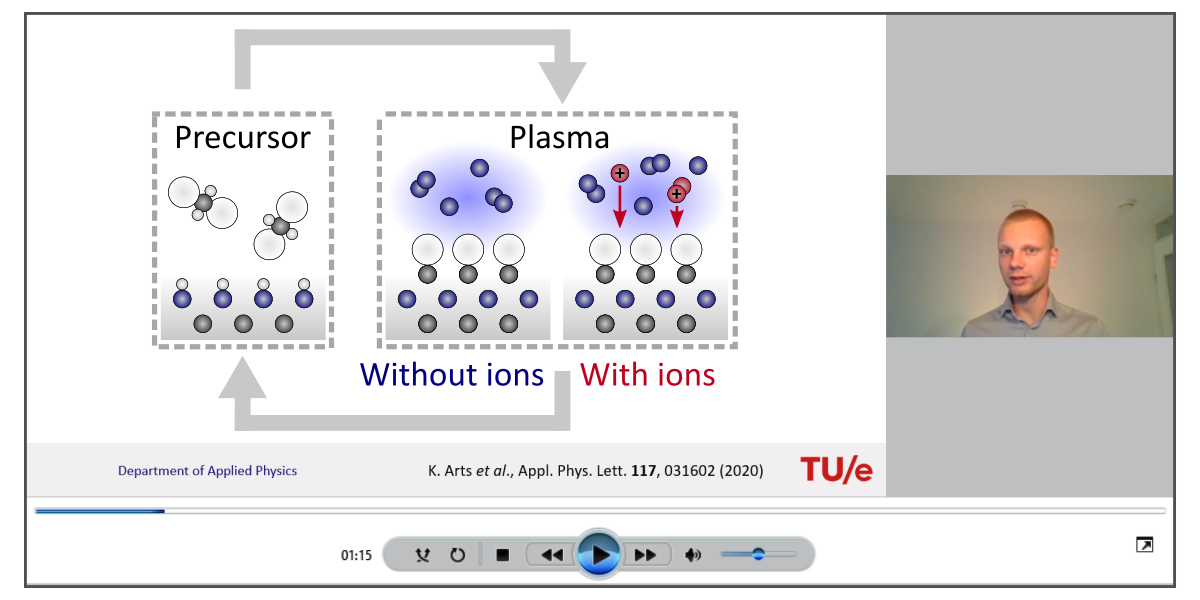
 [Note: a recording of my presentation for the 2020 Coburn and Winters Student Award competition can be viewed at the bottom of this page] This year I had the honor of being a finalist in the AVS Coburn and Winters Student Award competition, for my research on fundamental aspects of plasma-assisted atomic layer deposition (plasma … Read more

Visualizing the contributions of key authors to the field of ALD – Exploring newly implemented functionality of the ALD/Database

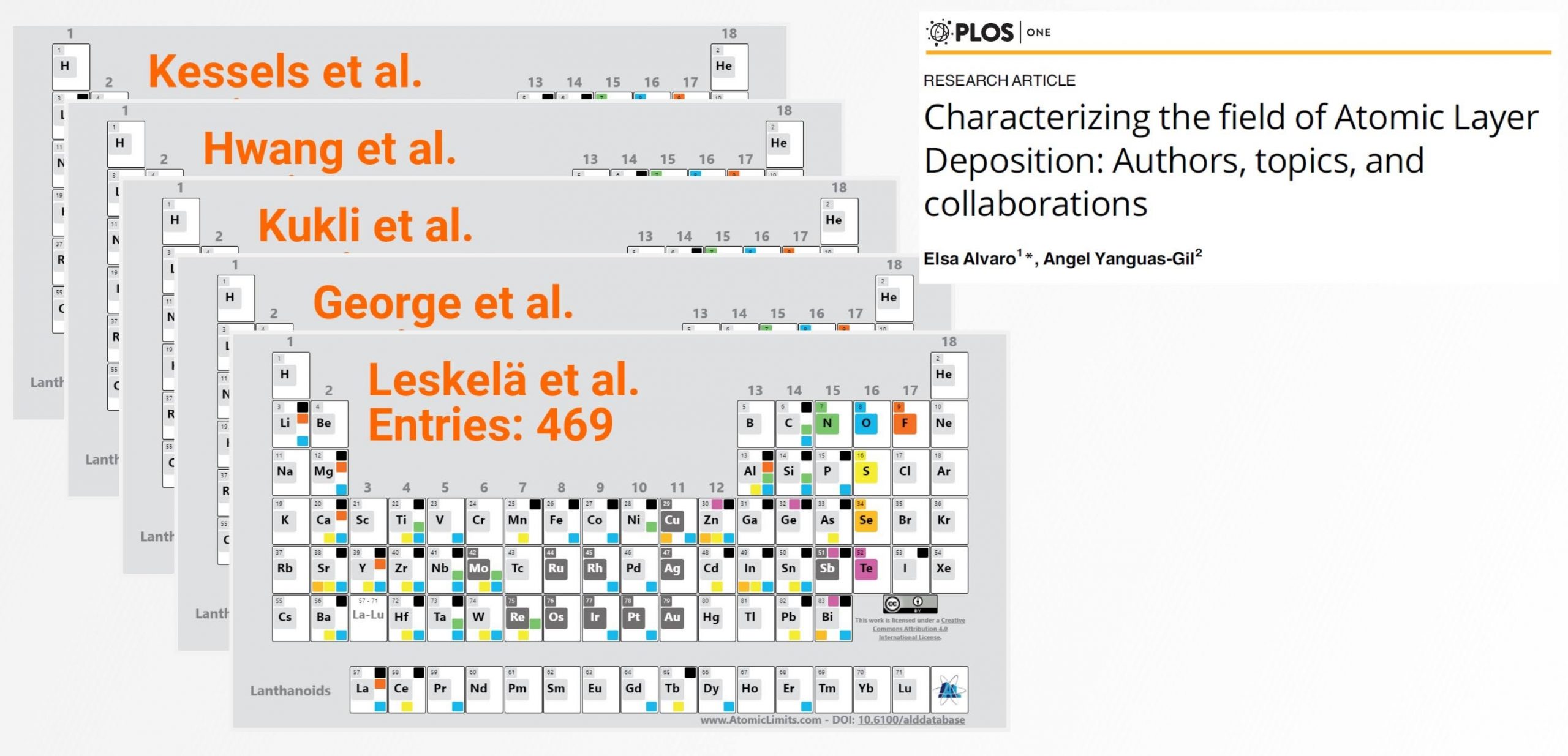
It is more than 2 years ago that Elsa Alvaro (Northwestern University Libraries) and Angel Yanguas-Gil (Argonne National Laboratory) published their research article “Characterizing the field of Atomic Layer Deposition: Authors, topics, and collaborations” in PLOS ONE. This article provided some interesting insights into how the method of ALD evolved over time while the field … Read more

X