
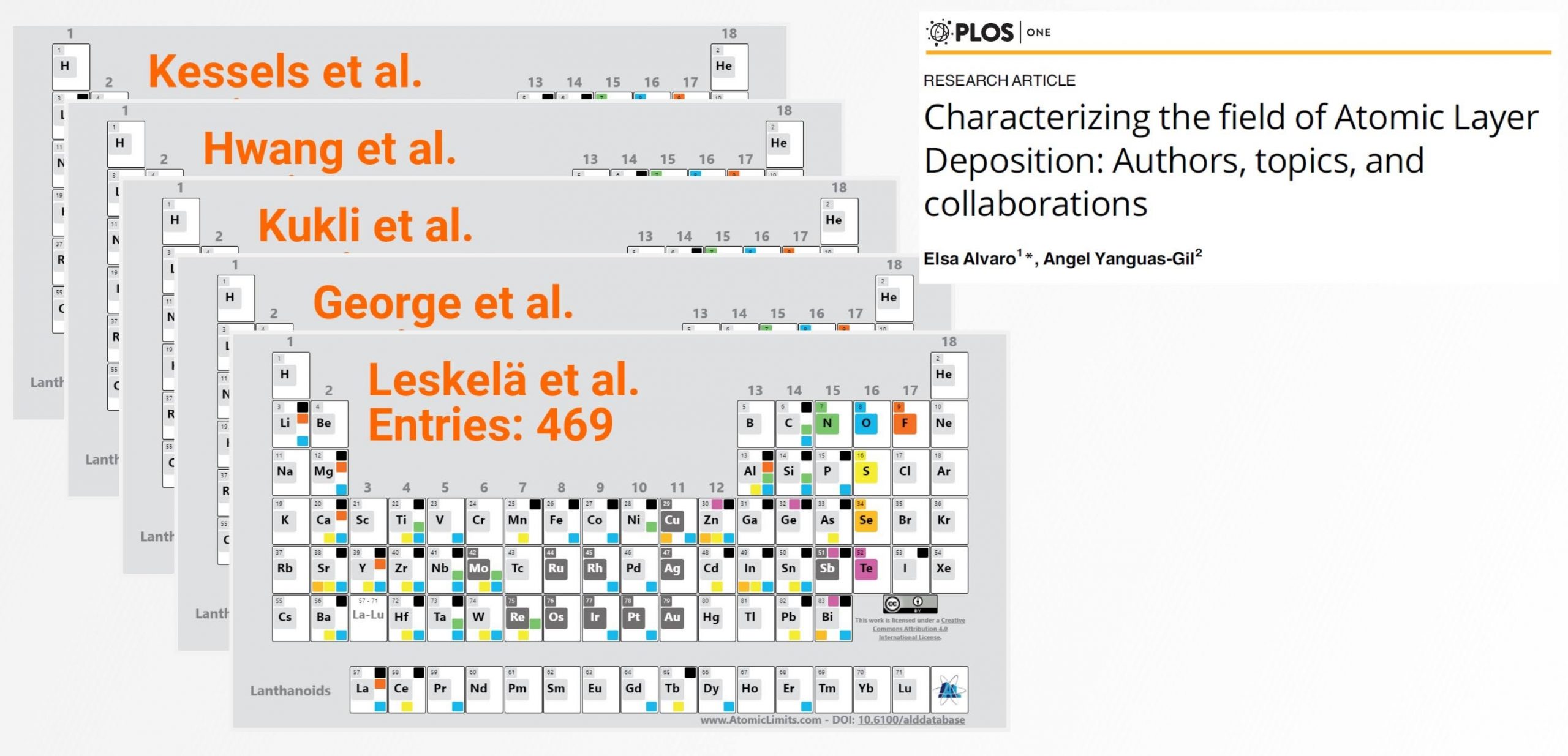
It is more than 2 years ago that Elsa Alvaro (Northwestern University Libraries) and Angel Yanguas-Gil (Argonne National Laboratory) published their research article “Characterizing the field of Atomic Layer Deposition: Authors, topics, and collaborations” in PLOS ONE. This article provided some interesting insights into how the method of ALD evolved over time while the field was experiencing rapid growth (and it continues to do so!). Based on a bibliometric study, the rate of knowledge production was mapped out as well as the most productive authors, the journals with most ALD articles, and the ALD collaboration network.
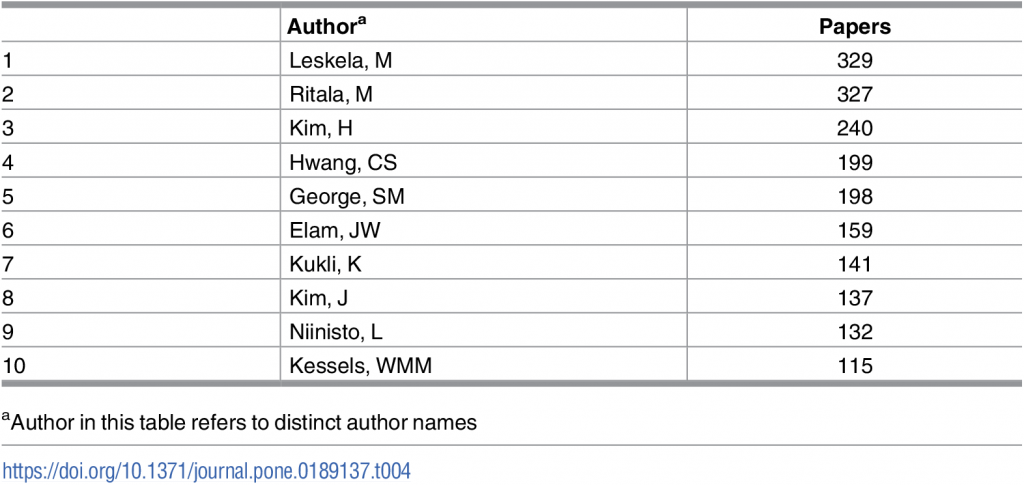
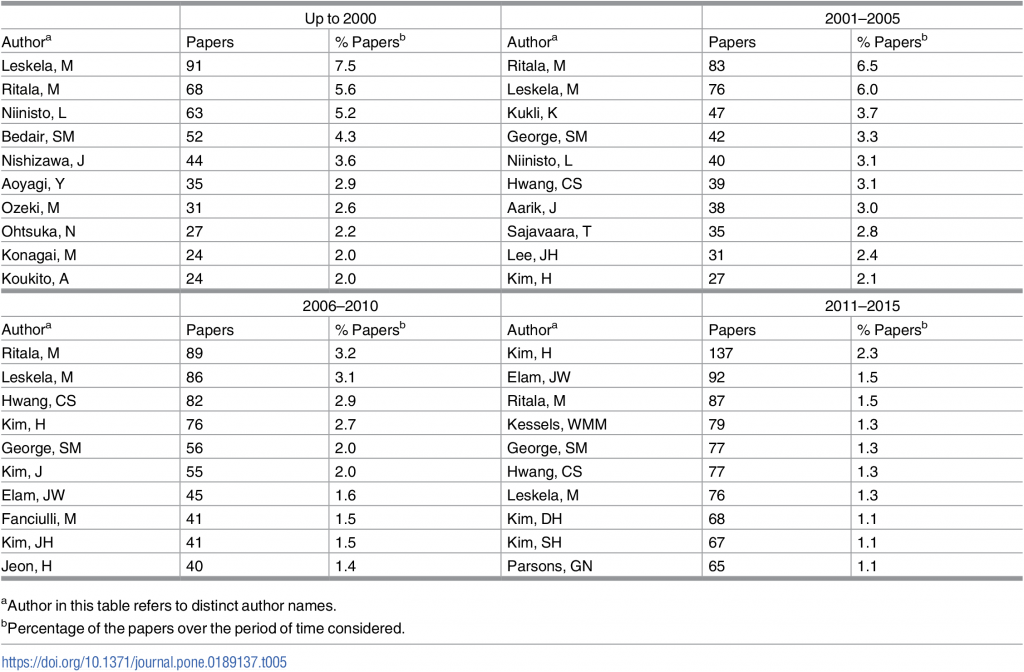
This PLOS ONE article is very interesting and in Eindhoven we were quite happy with the fact that one of our principal investigators (W.M.M. Kessels) made it into the top 10 of the most productive authors as shown in the table below. This demonstrates that our group has had quite a contribution to the field. By the way, note that the field of ALD is now almost 46 years old (see our 2019 blog Atomic layer deposition turns 45! ) while the first ALD paper published by the TU/e originates from 2005 only (Plasma-assisted atomic layer deposition of TiN monitored by in situ spectroscopic ellipsometry by Heil et al.). Comparing the authors in different periods of time, as shown in the other table below, makes therefore even more sense when assessing how author productivity in the field of ALD has changed over the years.
Interested in in-depth analysis?
It is also possible to go a step beyond providing filtered data and provide an in-depth analysis and interpretation of the results. If you have a question that can be answered by the information in the ALD/Database by e.g. such a filter (a lot more is possible), please contact us directly.
The main reason for writing this blog post is however the fact that we added some functionality to the ALD/database that we launched in March 2019, see our post “And here it is… the online ALD/database” . In this ALD/database you can easily browse and search ALD processes and you can even add publications to the database yourself. In this way, we try to keep the database up to date by crowdsourcing.
The functionality that we added allows us to generate an ALD periodic table for a specific author or group of authors. Basically, the DOI of the article is used to query the author information as supplied by the journal and only the entries of the specified authors are shown. This also highlights a more general advantage of having the ALD/database: it is possible to filter, query, and analyze the data in any way desired.
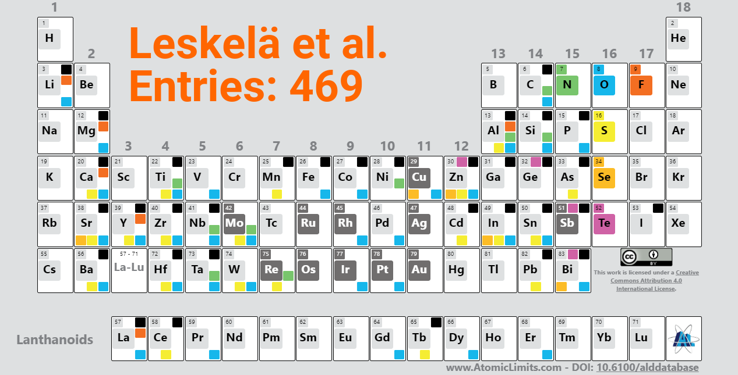
In the figure below we demonstrate this capability by filtering the ALD/Database for processes to which Markku Leskelä – the most prolific ALD author – has contributed. The figure shows the amalgamation of 469 contributions to ALD processes spread all over the periodic table including pure elements (mostly metals), oxides, nitrides, fluorides and sulfides, etc. The astute reader will have noticed that this number is higher than in the aforementioned PLOS ONE publications. A key difference is that we chose to report the number of contributions to individual ALD processes of an author (since that is what is shown in the ALD/Database) and not the number of published papers as used in the PLOS ONE article. It is not uncommon for papers to report on several processes for the same material or even on report on more than just one material. On the other hand, only publications that describe an ALD process in sufficient detail will be accepted into the ALD/Database. The article count in the PLOS ONE article also includes publications such as device oriented papers leveraging ALD but this apparently does not compensate for the aforementioned effect.
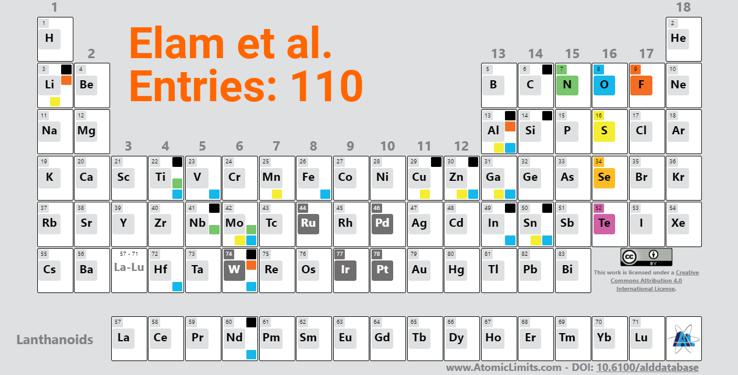
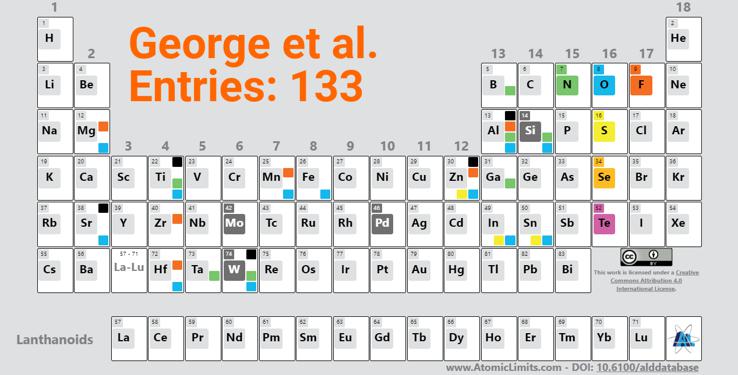
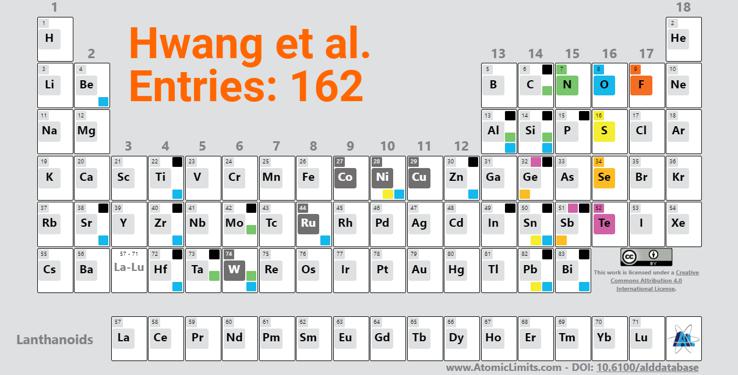
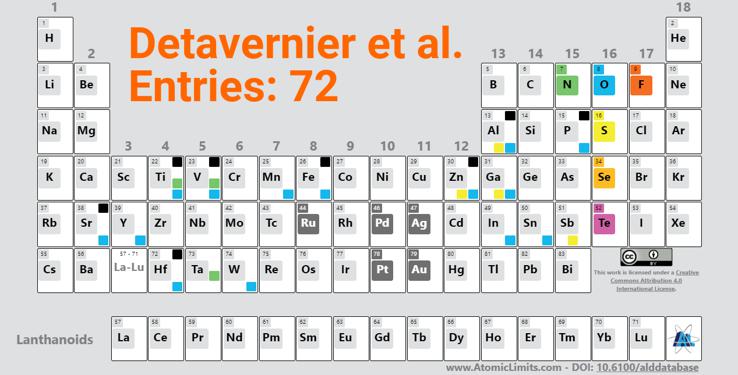
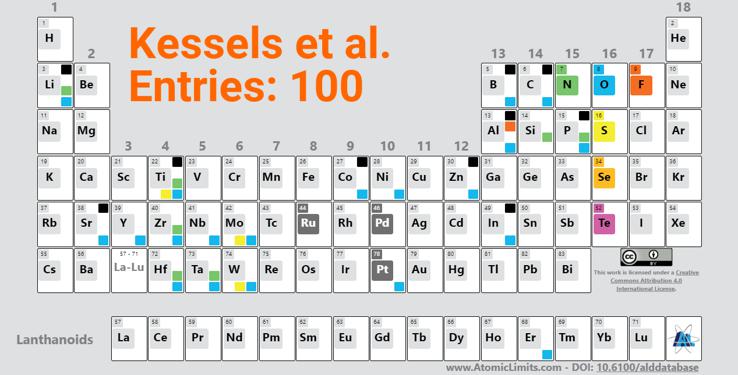
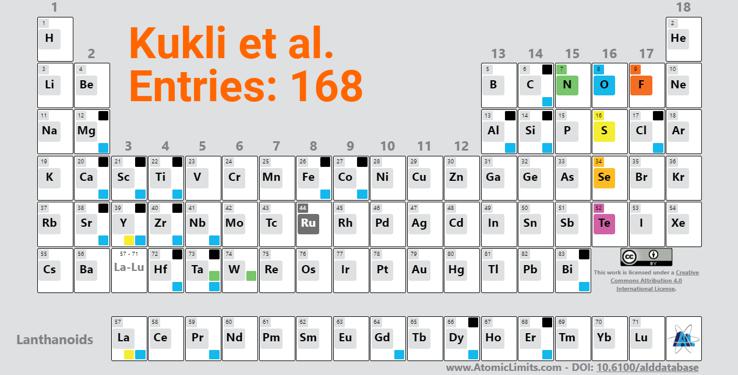
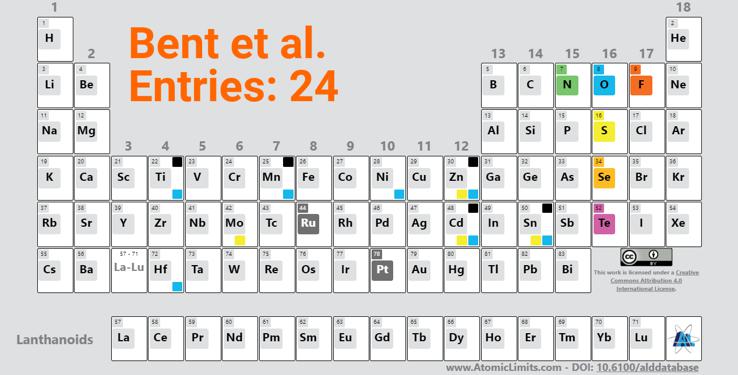
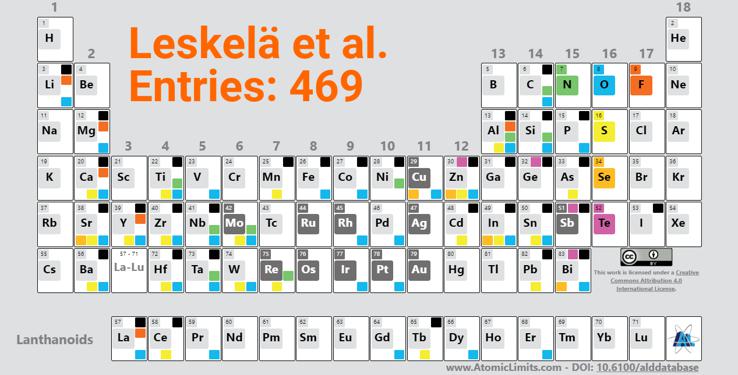
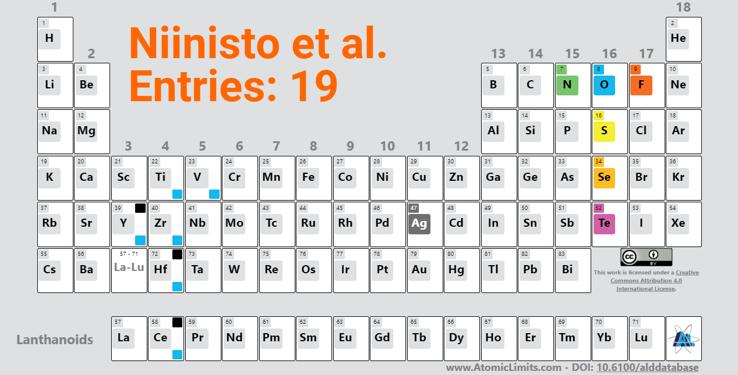
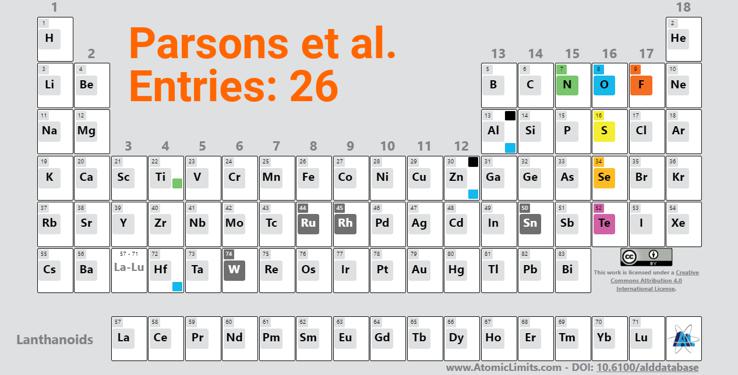
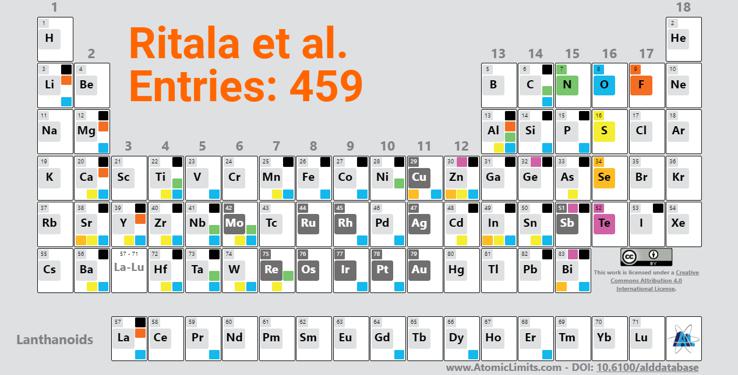
For several authors it was unfortunately not possible to reliably separate the contribution based on last name due to imperfections in the data supplied by journals. For this reason, these authors were omitted in this overview.
Based on the list of authors in the PLOS ONE article we have generated several filtered ALD/Database views. You can click thought the images in the slideshow above. This is also a nice check to see if all your (groups’) papers are in the ALD/database. If you feel that the table of your group is “too empty”, help us out by submitting the missing papers to the ALD/Database! Note, the author-filter is not yet publicly accessible but if you want to beta-test this functionality please contact us.

