Bridging academia and business – the heart of a successful collaboration in atomic scale processing

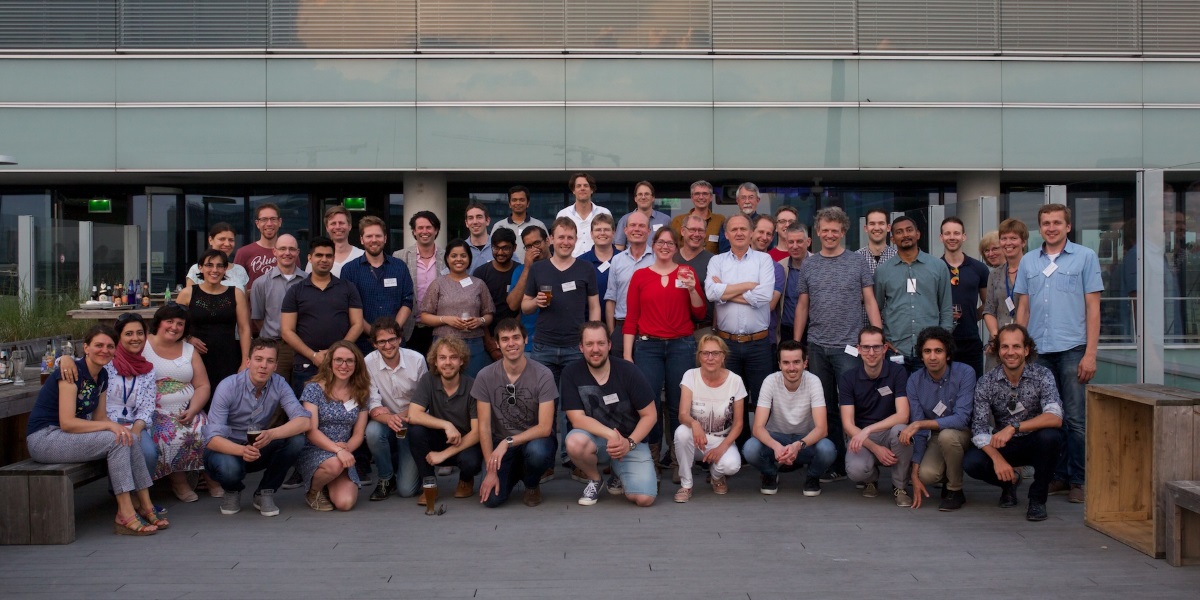
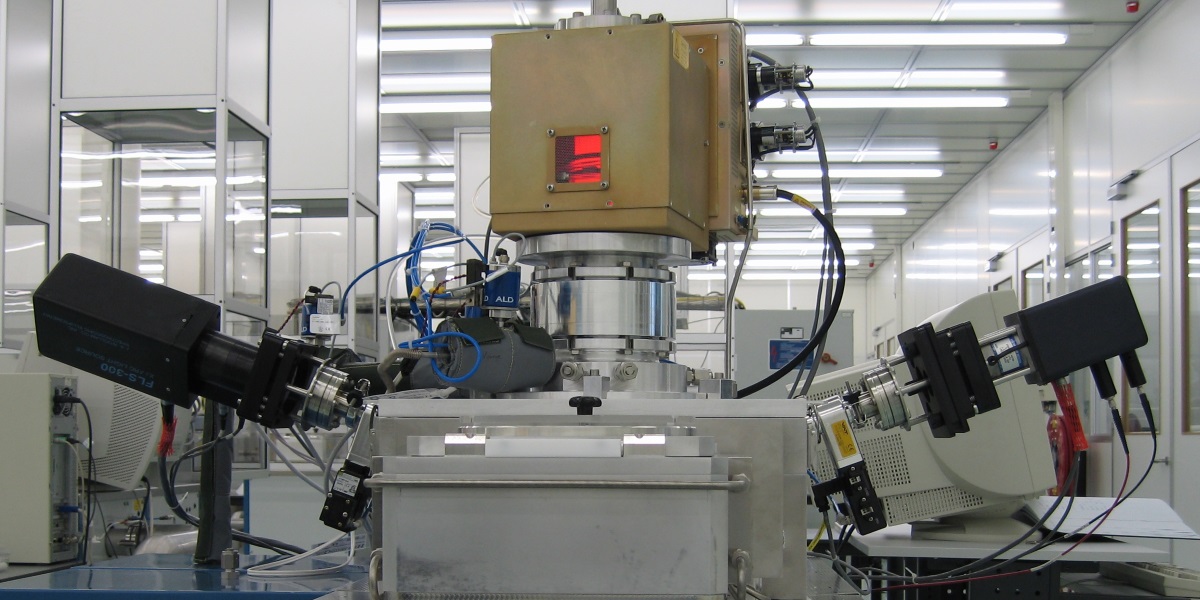
Fitting to the contents of this post on collaboration, this post will appear both on Atomic Limits and on the Oxford Instruments Plasma Technology blog. What defines a truly successful collaboration? It has to be something where the whole is greater than the sum. With the partnership between Oxford Instruments Plasma Technology and Eindhoven University … Read more

Topographically selective processing
– Taking selectivity up a notch by processing in the 3rd dimension

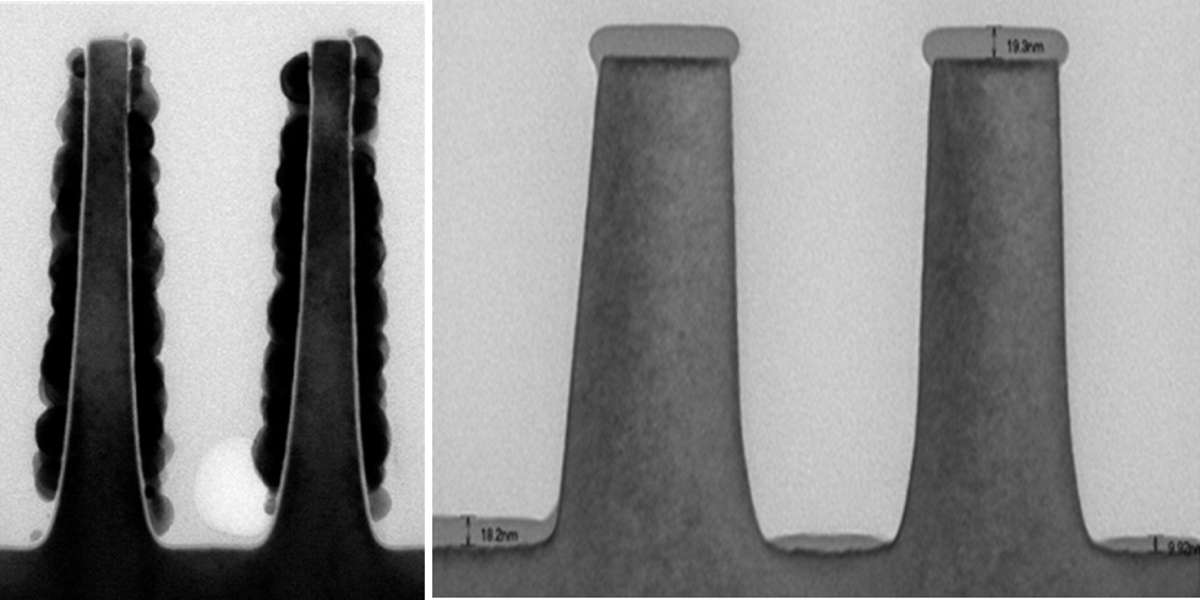
Recently, the art of processing materials in a selective manner has garnered significant attention. Especially in the past few years, the topic of making atomic scale processing techniques, such as atomic layer deposition (ALD) and atomic layer etching (ALE), more selective has become a highly active field of research in both academia and industry.1–4 This … Read more

Towards Area-Selective Atomic Layer Deposition with High Selectivity
– Our perspective on area-selective ALD

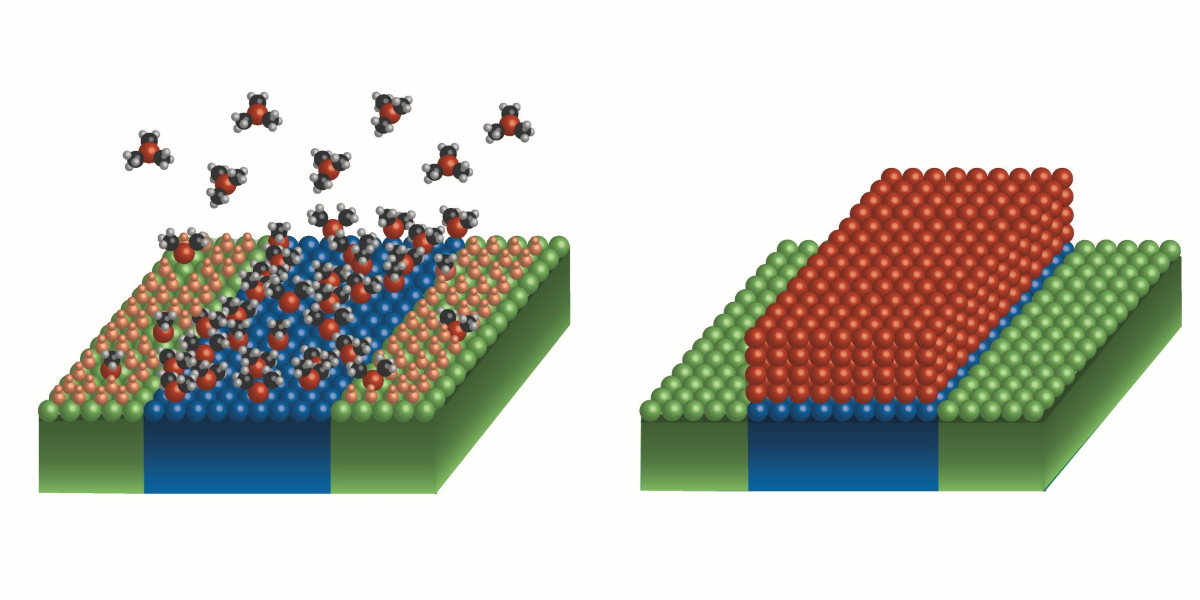
We just published a perspective article entitled “From the bottom-up: towards area-selective atomic layer deposition with high selectivity”.1 This perspective describes the current status of the field of area-selective atomic layer deposition (ALD), and also includes my vision on how we can improve the selectivity. It is published in Chemistry of Materials as part of … Read more

Where do our students and postdocs go? Mainly to ASML?
– About the alumni of the Plasma & Materials Processing research group

When evaluating what comes out of a university research group, often the research carried out by the group is given most attention. However, obviously, the most important product of a research group is not the research itself but it’s the people that are educated and trained: our students and postdocs. This blog post is somewhat … Read more

Plasma ALD and substrate biasing
– The impact of energetic ions on film properties

“Plasma ions create electronic defects in sensitive substrates as well as generate a large electronic trap density in deposited films, especially detrimental for gate dielectric applications.” This is a sentence that I read about 10 years ago (in January 2007 to be more precise) in a white paper published by an ALD tool vendor. This … Read more

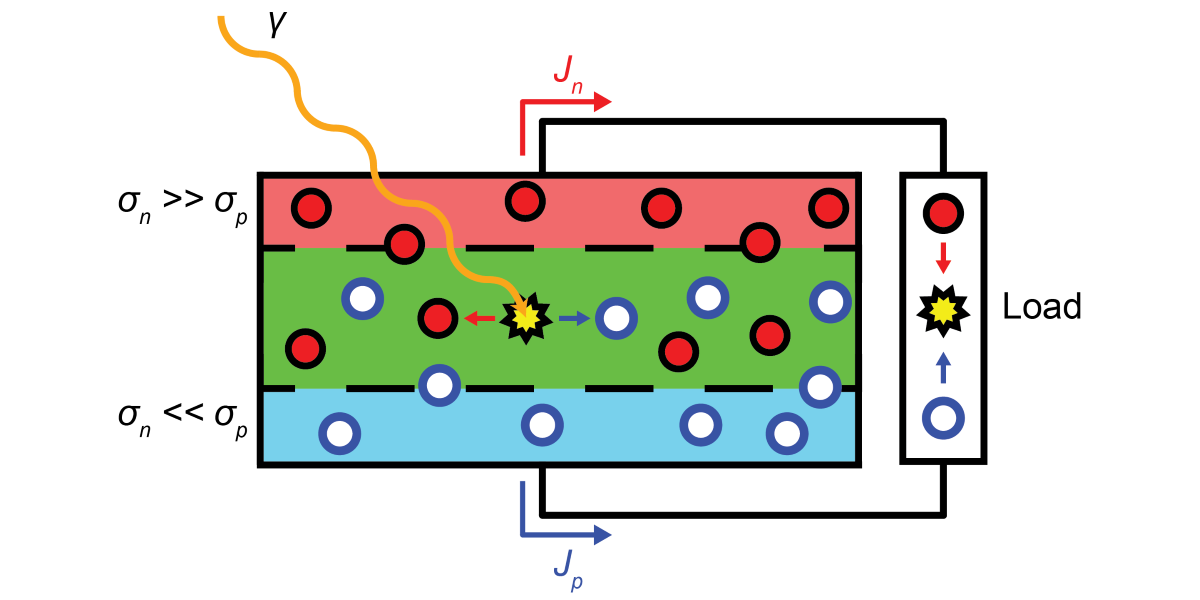
Why are solar cell physics important? – How thermodynamics of the selective membrane model help us understand passivating contacts

The title of this post deserves some clarification. Isn’t the answer obvious? You need to understand how solar cells work in order to improve them and physics are the foundation of that understanding, right? We suspect that most people would not deny the importance of physics in the field of solar cells, so you might … Read more

Surface science aspects of (plasma) ALD reactions
– Extending the legacy of Harold Winters

The fact that Dr. Harold Winters passed away last year – at the age of 83 – has led to initiatives in tribute of Harold and his profound contributions to plasma science. One of these initiatives is a Special Issue Tribute to Harold Winters of the Journal of Vacuum Science and Technology. We have also … Read more

In situ spectroscopic ellipsometry and ALD
– How ellipsometry became a popular technique to monitor ALD film growth

Serendipity is often cited as a key factor in scientific innovations. I can fully confirm this as will also be obvious from the subtitle of this blog site: “Blog about strategy, serendipity and vision in nanoscience”. From my point of view, the fact that in situ ellipsometry has become a popular technique to monitor ALD … Read more

Uniform or Area-Selective ALD of In2O3:H?
– It’s all about nucleation

A little while ago I wrote a blog about my PhD project. In this blog, I explained that most of my PhD project revolved around an atomic layer deposition (ALD) process that I developed to make hydrogen-doped indium oxide (In2O3:H): This material combines extreme transparency with good electrical conductivity, making it highly interesting in for … Read more

New developments in area selective deposition
– Take-home messages from the 2nd Area Selective Deposition workshop (ASD2017)

As announced in our previous blog post on the 2nd area selective deposition (ASD2017) workshop, this post will highlight the new developments in the field of ASD. I will summarize my take-home messages from the workshop by discussing three topics that were addressed in several presentations: New categories of area selective deposition (ASD) The improvement … Read more

X