Towards Area-Selective Atomic Layer Deposition with High Selectivity
– Our perspective on area-selective ALD
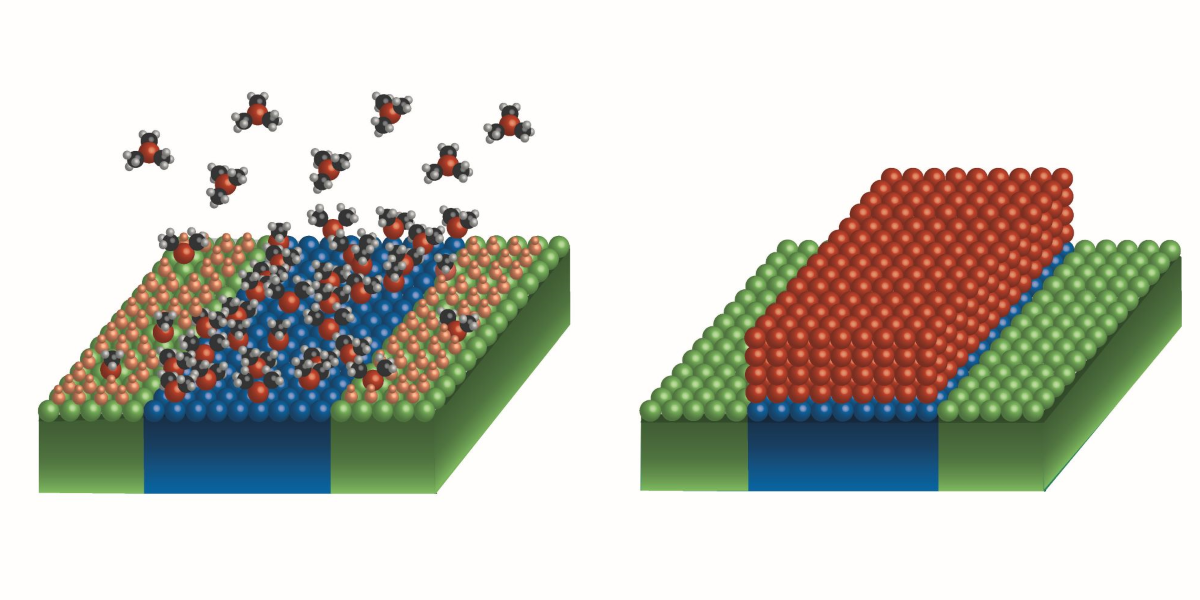
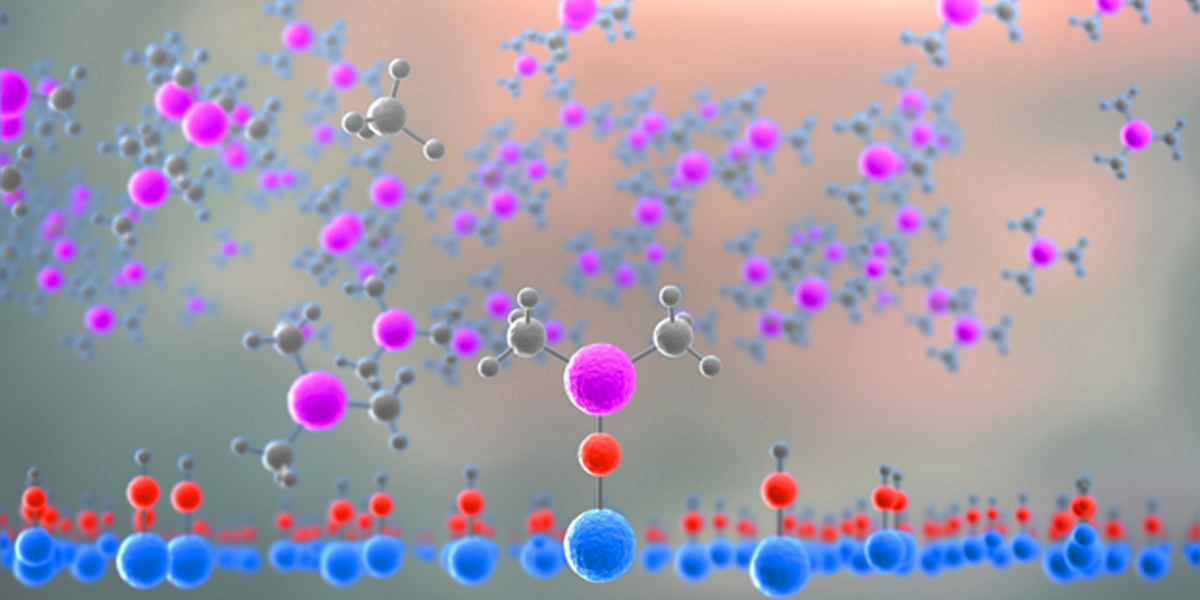
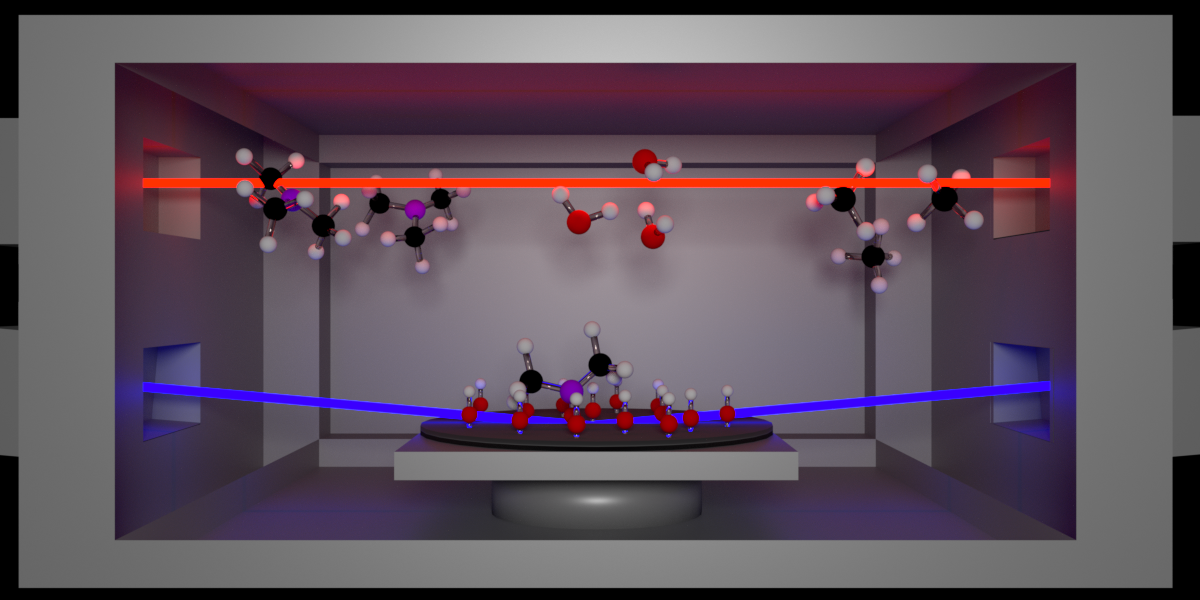
We just published a perspective article entitled “From the bottom-up: towards area-selective atomic layer deposition with high selectivity”.1 This perspective describes the current status of the field of area-selective atomic layer deposition (ALD), and also includes my vision on how we can improve the selectivity. It is published in Chemistry of Materials as part of … Read more
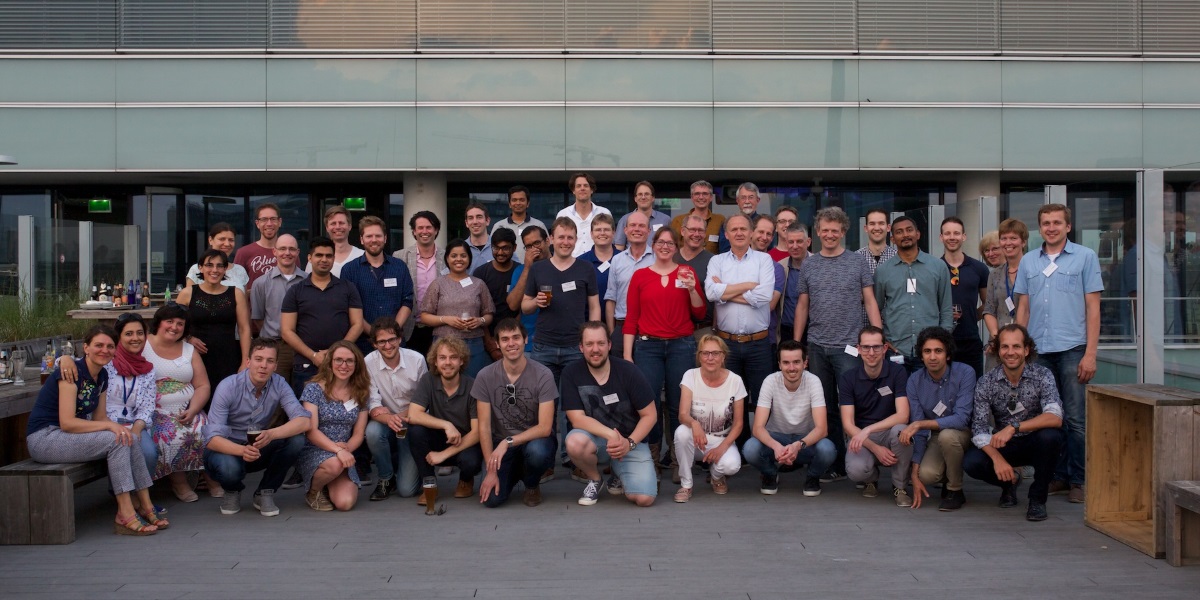
Where do our students and postdocs go? Mainly to ASML?
– About the alumni of the Plasma & Materials Processing research group

When evaluating what comes out of a university research group, often the research carried out by the group is given most attention. However, obviously, the most important product of a research group is not the research itself but it’s the people that are educated and trained: our students and postdocs. This blog post is somewhat … Read more

In situ Studies of ALD Processes & Reaction Mechanisms

It is the time of the year that the annual AVS International Conference on Atomic Layer Deposition combined with the International Atomic Layer Etching Workshop takes place. The location of 18th edition of the ALD conference (ALD 2018) and the 5th edition of the ALE workshop (ALE 2018) is Incheon, South Korea (July 29 – … Read more

Looking back at the passivating contact workshop in Eindhoven (part 3 of 3)
– Novel non-silicon based passivating contact materials

  During the passivating contact workshop in Eindhoven earlier this year more than 80 people enjoyed several in-depth presentations and discussions on this hot topic in crystalline silicon PV research. Since the PV conference low season / summer break has started now, this is a great time to look back at the workshop! After last … Read more

Looking back at the passivating contact workshop in Eindhoven (part 2 of 3)
– Passivating contact materials based on silicon

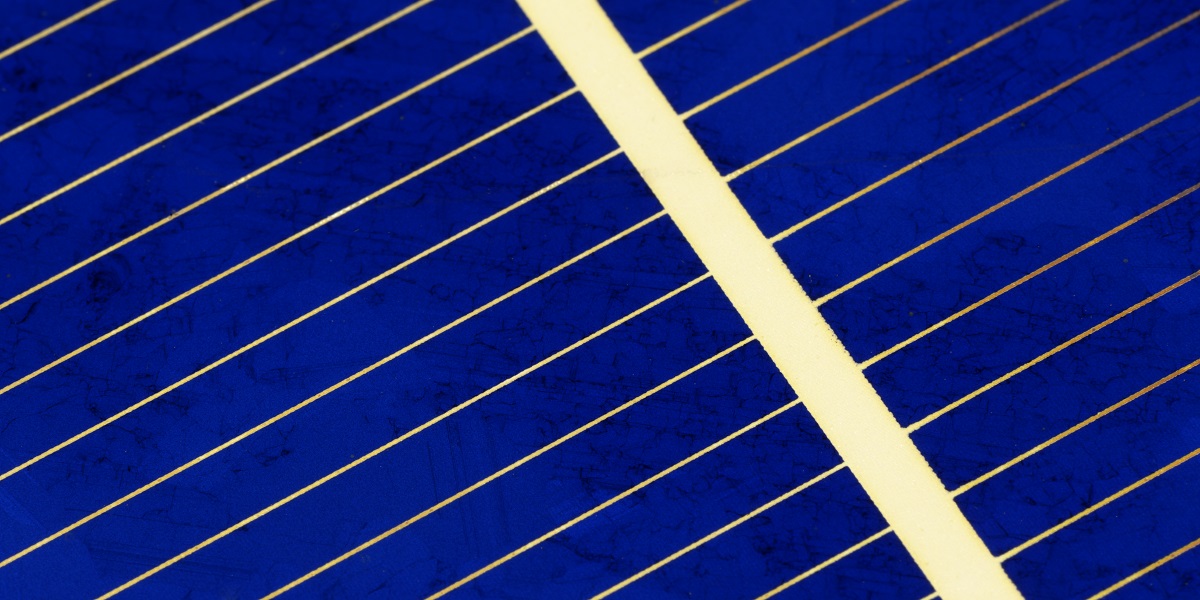
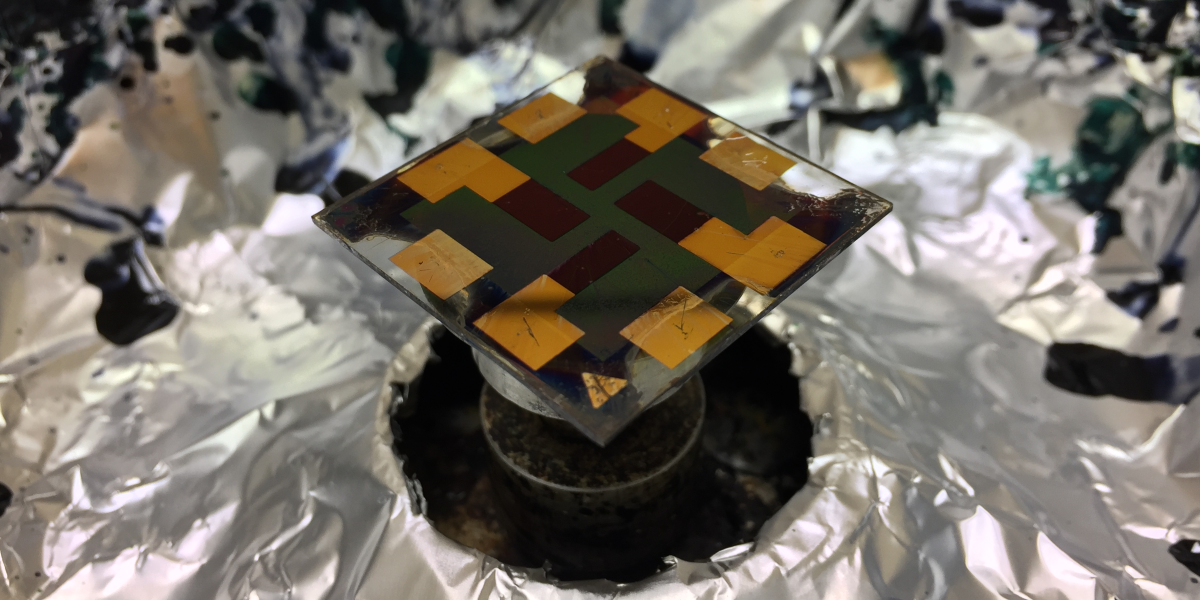
Close-up of c-Si solar cell

  During the passivating contact workshop in Eindhoven earlier this year more than 80 people enjoyed several in-depth presentations and discussions on this hot topic in crystalline silicon PV research. Since the PV conference low season / summer break has started now, this is a great time to look back at the workshop! After last … Read more

Looking back at the passivating contact workshop in Eindhoven (part 1 of 3)
– Why are passivating contacts for crystalline silicon solar cells needed and how do they work?

  During the passivating contact workshop in Eindhoven earlier this year more than 80 people enjoyed several in-depth presentations and discussions on this hot topic in crystalline silicon PV research. Since the PV conference low season / summer break has started now, this is a great time to look back at the workshop! First of … Read more

The prospects for the use of Al2O3 in solar cells (in 10 questions)
– How we looked at it in 2011

At the end of last month – in May – the 2018 edition of the “PERC Solar Cell Technology” report appeared as published by Taiyang news. It is the third edition of this interesting report and it starts by stating that “we have entered the PERC era in the solar cell technologies segment” with “today, … Read more

Plasma ALD and substrate biasing
– The impact of energetic ions on film properties

“Plasma ions create electronic defects in sensitive substrates as well as generate a large electronic trap density in deposited films, especially detrimental for gate dielectric applications.” This is a sentence that I read about 10 years ago (in January 2007 to be more precise) in a white paper published by an ALD tool vendor. This … Read more

4th Dutch perovskite workshop

Date, time and location of the event The 4th Dutch Perovskite Workshop is scheduled to take place at the Eindhoven University of Technology (TU/e) on Friday 29 June 2018. The program will start at 10:00 hr in the Film Zaal (1st floor) of the Zwarte Doos on the TU/e Campus. Aim and topics The PV … Read more

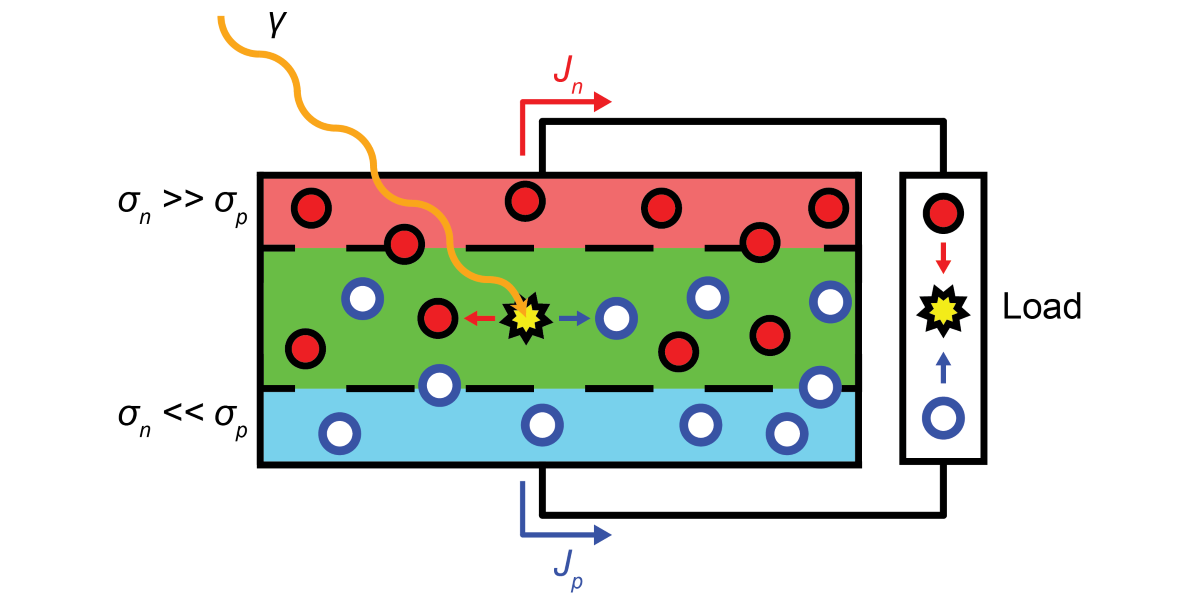
Why are solar cell physics important? – How thermodynamics of the selective membrane model help us understand passivating contacts

The title of this post deserves some clarification. Isn’t the answer obvious? You need to understand how solar cells work in order to improve them and physics are the foundation of that understanding, right? We suspect that most people would not deny the importance of physics in the field of solar cells, so you might … Read more

X